
Getting Around Vietnam
Planning your Vietnam transportation journey from Hanoi to Ho Chi Minh City? Compare trains, sleeper buses, and domestic flights to find the perfect blend of time, budget, and comfort. Get essential booking tips and route recommendations for your unforgettable north to south Vietnam adventure!
6 min read
Planning Your Movement Across Vietnam
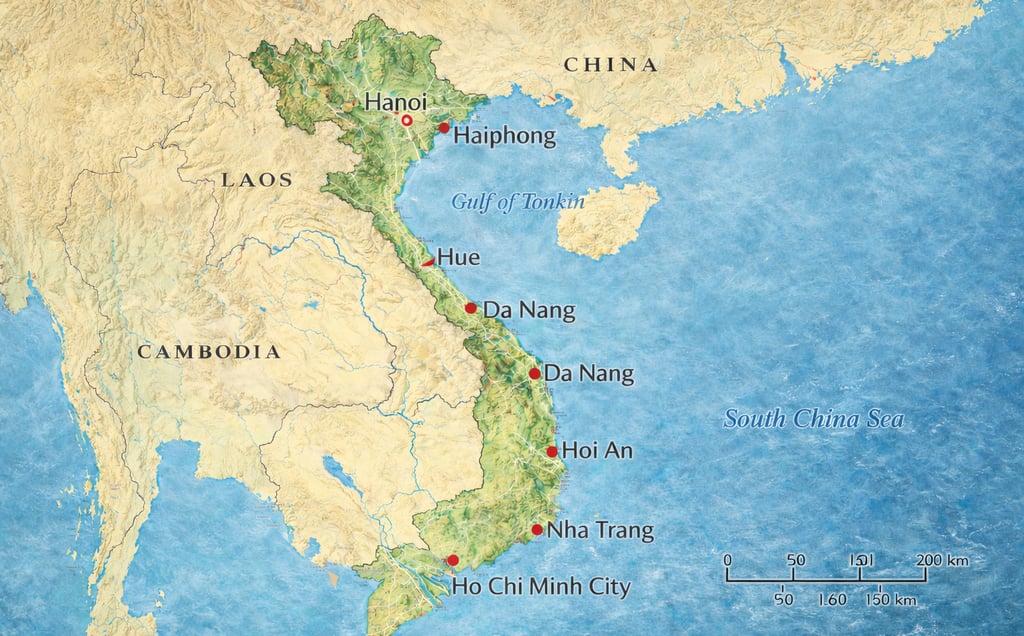
The sheer length of Vietnam, an elegant S-shape stretching over 1,000 miles, means that planning your transport from Hanoi to Ho Chi Minh City is half the adventure! Should you take a plane, a train, or a bus? Your choices will define the pace, comfort, and cultural immersion of your trip.
Vietnam is a fabulously diverse country. You can traverse mountains, rice paddies, and bustling coastal cities. Whether you are a budget backpacker or a holidaymaker prioritising speed and comfort, you’ll be amazed at how efficient the travel network is, provided you know how to navigate the booking process and select the right vehicle for the right leg of your trip.
From the romantic Reunification Express train to the highly practical sleeper bus, let us help you find the right fit for your travel style and itinerary as you move the history-steeped North to the vibrant South. We’ll break down the speeds, the price points, and the experience you can expect with planes, trains and busses, so you can maximise your trip to Vietnam.
Let’s get started with the most famous way to travel the length of the country: the train!


Need a Hotel in Hanoi?
Here Are Our Recommendations:
$$$ Hotel du Lac Signature
- Click here for rates & availability
$$ Melia Hanoi
- Click here for rates & availability
$$$ Peridot Grand Luxury Boutique Hotel
The Iconic Choice: Rail Travel Experiences
The famed Reunification Express traces the spine of the country. On the train, you can relax and watch the stunning Vietnamese landscape unfold out your window. It’s a slow, steady, and meditative pace of travel that lets you appreciate the transition from the mountains of the north to the tropical climate of the south, guaranteeing you some great photos and memories.
Depending on what comfort you’re after and how much you’re willing to spend, you can choose from several classes. For overnight journeys, the key choice is between the hard and soft sleeper. We recommend the soft sleeper, because it has fewer bunks in a cabin (usually 4 rather than 6) and better air conditioning. You can drift off to sleep while the train covers massive distances. Remember: a night on a train saves you a night of accommodation costs.
Booking your tickets in advance is paramount, especially if your travel coincides with a local holiday or if you are aiming for the highly demanded soft sleeper cabins. For a low-stress experience, book directly through Vietnam Railways or use reputable online agents. Embracing the train journey is to embrace the slow travel movement, allowing you to genuinely soak up the atmosphere and arrive at major stops like Hue, Da Nang, and Nha Trang feeling revitalised.
Now that we have covered the romance of the railway, let us examine the ultra-affordable and flexible alternative: the bus!


Budget & Flexibility: Navigating with Sleeper Coaches
The ubiquitous sleeper coach is the workhorse of Vietnamese intercity transport, providing an excellent balance of coverage and cost. These are not your average buses. They are cleverly designed with reclining flat beds arranged in two or three tiers, allowing you to actually lie down while the coach eats up the kilometres between major hubs. While they might not offer the spaciousness of a train, they are incredibly efficient for overnight jumps and often travel directly to towns the train line misses, giving you greater route flexibility.
A key benefit of the coach network is its sheer size, connecting almost every town you might want to visit, from the misty mountains near Sapa to the seaside resorts of Mui Ne. Look out for companies offering "open tour" tickets, a popular choice for covering the north to south itinerary, allowing you to hop on and off at various predetermined stops. While that specific pass is less common than in the past, booking individual segments remains incredibly easy and affordable, making it simple to string together your journey on the fly.
Futa Bus (Phuong Trang) is known for their modern fleet and professional service. While a coach ride can occasionally feel bumpy, the money you save is significant, and the convenience of being picked up and dropped off close to your accommodation often outweighs any minor discomfort. Mastering the coach system gives you the freedom to be spontaneous and follow your own path through this marvellous country.
However, sometimes speed is the only option, so let us now look at how to fly effectively.


Need a Hotel in Ho Chi Minh City?
Here Are Our Recommendations:
$$$ The Reverie Saigon
- Click here for rates & availability
$$ Caravelle Saigon
- Click here for rates & availability
$$ Hotel Majestic Saigon
Speed and Convenience: Domestic Air Travel
If your holiday time is limited, or if you simply prefer to spend more time sightseeing and less time in transit, then domestic flights are for you. A flight from Hanoi to Ho Chi Minh City takes a little over two hours, compared to the thirty-hour train journey. Here’s the good news: when booked in advance, domestic fares can be surprisingly affordable, making them competitive with first-class train tickets.
Vietnam is well-served by several reliable airlines, including the national carrier Vietnam Airlines, as well as the budget-friendly options VietJet Air and Bamboo Airways. These carriers operate frequent services between the major airports, which act as crucial gateways to different regions: Noi Bai in Hanoi, Da Nang International, and Tan Son Nhat in Ho Chi Minh City. By flying, you get to skip the longest, most repetitive sections of the journey, ensuring you arrive at your next big destination feeling rested and ready for action.
Choosing a domestic flight for at least one major hop, perhaps covering the entire northern or southern section, allows you to strategically manage your travel fatigue and maximise your holiday enjoyment. It is a fantastic option for travellers who prioritise comfort and speed, ensuring your itinerary remains flexible and less prone to travel delays that can sometimes affect land transport. Ultimately, integrating a flight or two into your plans is the modern, efficient way to approach the vast distances of Vietnam travel logistics.
With these three options in mind, how can you make the final decision about transportation?


Making the Final Transport Choice
Ultimately, the best way to get around Vietnam is a clever blend of all three transport methods, customised to your own personal priorities of time, budget, and desired experience. The budget backpacker might stick mostly to sleeper coaches and perhaps one soft-seat train ride for scenery, prioritising cost above all else. Conversely, the time-constrained tourist will happily book three or four well-priced domestic flights, hopping effortlessly between major hubs and saving days of transit time.
The sweet spot for many travellers lies in mixing these options for a truly seamless journey. Here’s a smart suggestion: take the picturesque overnight train from Hanoi to Hue for the experience, then switch to a short, local coach to get from Hue to Hoi An, and finally, book a domestic flight from Da Nang to Ho Chi Minh City to cover the last long segment swiftly. This strategy allows you to experience the best of Vietnamese travel while efficiently managing the entire north to south Vietnam itinerary.
Planning for a Smooth Travel Flow
Choosing to plan your transport smartly is choosing to enhance the entire flow of your holiday, eliminating stress and adding genuine joy to the movement between places. Like we always say at Wanderwell, planning a trip is half the fun, and smart preparation makes for great adventures. Whatever combination of planes, trains and buses you decide on, every moment of your travel will be spent enjoying the wonders of the Vietnam!
Want to read more? The Curious Traveller: Ha Long Bay's Limestone Karsts. The Curious Traveller: Hanoi or Ho Chi Minh City?
For the latest updates sign-up below!
