
DMZ Tours: The Divided Heart of the Korean Peninsula
Planning a visit to the Korean border involves understanding a unique blend of history and hope. Learn about the 3rd Tunnel, Dora Observatory, and how to visit the Demilitarized Zone responsibly on your next trip to Seoul.
6 min read


Witnessing Global History Firsthand
Are you interested in seeing geopolitics up close and personal? Head to South Korea, where the demarcation line that separates it from North Korea is the world's most fortified border. It is, however, a de facto border because it’s based on a truce rather than a formal peace agreement. An unresolved 20th century conflict, the Korean War is technically ongoing even though the truce that stopped the fighting is more than 70 years old.
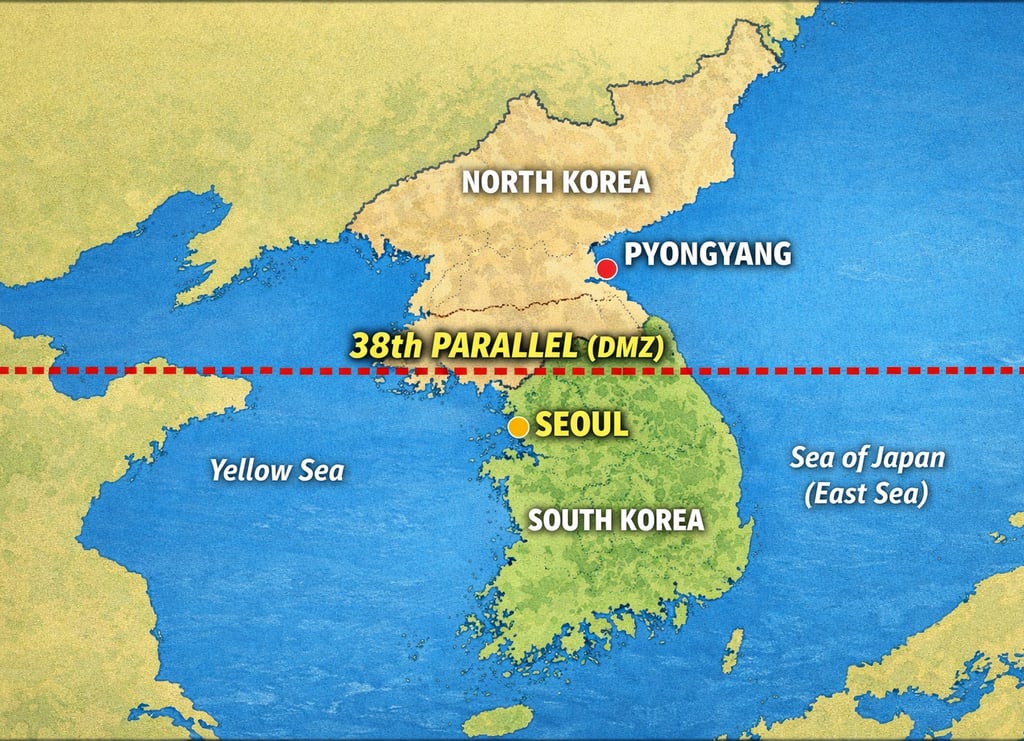
The Korean Demilitarised Zone, or DMZ, is a buffer strip about 2 kilometres wide on either side of the border. Over one million people visit this ceasefire zone annually. Here, you can see a war frozen in time for almost three quarters of a century.
Let’s run through history of the demarcation line, some important landmarks, and the etiquette of visiting a politically sensitive area.


Need a Hotel in Seoul?
Here Are Our Recommendations:
$$$ The Plaza Seoul
- Click here for rates & availability
$$ AC Hotel by Marriott Seoul Gangnam
- Click here for rates & availability
$$ 9 Brick Hotel
Understanding the Military Demarcation Line
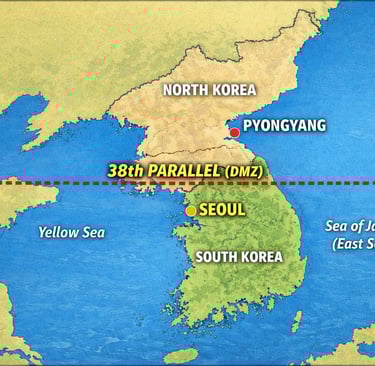
The story of this famous border begins in 1953 with the signing of the Armistice Agreement. This agreement established a buffer zone spanning four kilometres in width precisely along the 38th parallel. Within this zone lies the Military Demarcation Line which serves as the actual border between the two nations. This single line has been responsible for the separation of countless families for more than seventy years and remains an emotional symbol for many people. One of the last physical vestiges of the 20th century’s Cold War, it’s a reminder of the geopolitical tensions that influence international relations.
In the DMZ, history flares up on occasion, such as the discovery of secret infiltration tunnels during the 1970s and 1980s. These passages were dug deep into the earth as a way to move troops silently across the border. Then, there’s the infamous 1976 Axe Murder Incident when North Korean soldiers axed to death two U.S. Army officers during a routine tree-trimming mission. Three days later, a heavily armed U.S.-South Korean force executed Operation Paul Bunyan to cut down the tree without resistance, after which North Korea issued regret and accepted responsibility.
These historic milestones reflect the fragility of the peace that is maintained in this unique part of the world every single day. So, what’s there to actually see in the DMZ?


Iconic Landmarks and Surprising Sights
Descending into the 3rd Infiltration Tunnel is an adrenaline pumping experience. You walk deep underground into a space carved through solid rock by hand, a sobering testament to the lengths taken during times of intense conflict. By contrast, head up to the Dora Observatory for a panoramic view across the border into the north. Use high powered binoculars to get a closer look at the massive flagpole standing tall in the distance. Only kilometres away, the village across the border is a completely different world.
Imjingak Park is a poignant reminder of the longing for home and family. The Freedom Bridge is where prisoners of war once crossed back to safety at the end of the fighting. The colourful ribbons tied to the fences represent the collective hope of thousands of people for peace.


Journeying from Seoul to the Border
Unsurprisingly, independent travel to the DMZ is prohibited for security reasons. Instead, book a structured excursion. Most trips depart from central Seoul locations like Myeongdong or City Hall. The journey through the Korean countryside is scenic and peaceful, providing a welcome contrast to the bustling city.
Here’s the most important travel tip: bring your passport. At the military checkpoints, digital copies or photos of your passport are never accepted. And trust us, you don’t want to be denied access as the bus clears the security gates and enters the controlled zone.
Choosing between a half day or full day trip depends on your specific interest in the Joint Security Area. While access to the blue huts, the famous spots where armistice talks take place, can vary depending on political conditions, every trip offers a comprehensive look at the border.
Here’s a few reliable tour operators for your trip to the DMZ.


Selecting Reliable Excursion Providers
VIP Travel is a fantastic choice if you want a focus on history without any pressure to buy souvenirs during the journey. This team is well known for a high quality approach that prioritises the educational aspect of the trip. You can expect to pay between fifty and sixty five dollars for a half day experience or up to one hundred dollars for a full day including extra sites. Their official website at vviptravel.com provides easy booking options for you to secure a seat in advance.
Koridoor Tours offers a unique perspective due to their long standing relationship with military organisations and historical context. They are frequently the go-to choice for those who are determined to visit the Joint Security Area when it is open to the public. Prices for a standard half day start around fifty dollars while the specialized full day trips can reach one hundred and fifty dollars per person. You can find detailed schedules and availability on their website at koridoor.co.kr to help plan your visit.
Seoul City Tour is one of the most established companies in the region and provides a very reliable daily service for international visitors. Their trips are perfect if you are looking for a classic itinerary that hits all the major historical highlights near the border. A half day journey usually costs between forty five and fifty five dollars and full day options are available from seventy dollars. You can check their current prices and departure times at seoulcitytour.net before you arrive in South Korea.
Now that you have picked the perfect professional team, let's look at the important rules you must follow on the day.
Respectful Visiting and Natural Sanctuaries
When visiting this militarily sensitive area, mind what you wear. Avoid ripped clothing or items that could be misinterpreted in photographs taken from the other side. Don’t be the funny guy who shows up dressed in camouflage. Show respect for the soldiers on duty and the gravity of the location. Technically, it’s a war zone. Photography is allowed in many areas but forbidden in others. Do everyone in your group a favour and listen to your hosts when they say it’s time to put your camera away.
If you ever needed proof that Mother Nature prefers peace over war, the no-man’s land of the DMZ has become a flourishing wildlife haven. You might catch a glimpse of rare birds or lush greenery that has reclaimed the war-torn land over the decades. Nature can thrive in the most unlikely places!
A Lasting Impression of the Peninsula
Standing at the border of North and South Korea is an experience that lingers after the tour bus returns to the neon lights of Seoul. It’s a sobering reminder of how a single line can change the course of millions of lives. Whether you’re a history buff or just a curious traveller, DMZ tours offer a perspective you simply can’t get from a textbook. Just remember to bring your passport, follow your guide’s instructions to the letter, and approach the site with the respect it deserves. Ready to witness history for yourself? Make sure to book your slot at least a week in advance, as these tours fill up faster than you’d think!
Want to read more? The Curious Traveller: The Ultimate 3 Days in Seoul Itinerary. The Hungry Traveller: How to Grill Like a Local: Korean BBQ.
For the latest updates sign-up below!
Other Articles
