
Ethiopian Silver Jewellery Through Time
Ethiopian silver jewellery has deep historical roots, intricate craftsmanship and regionally distinct styles, from ancient metalwork to the eighty known forms of Ethiopian Christian crosses.
6 min read
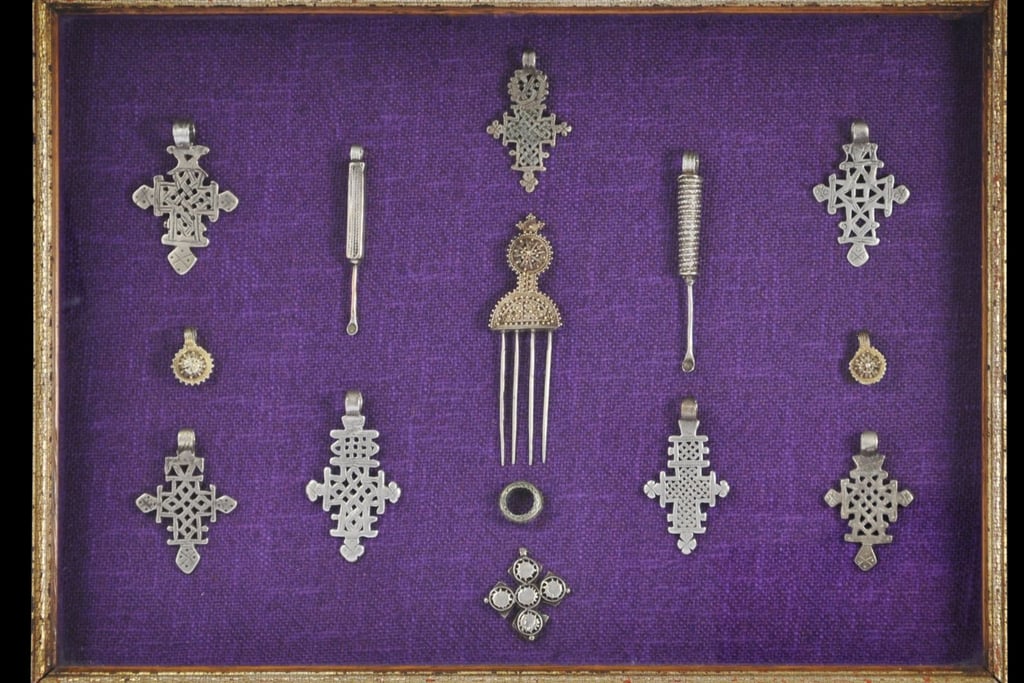
Handcrafted and Fabulous Ethiopian Jewellery
Do you like to own one-of-a-kind jewellery? Ethiopia is the place for you. Handcrafted, Ethiopian silver jewellery is striking and fabulous. From intricate Orthodox Christian crosses to distinct tribal adornments, Ethiopian designs are shaped by centuries of religious and cultural practice. In the highlands, crosses and necklaces emphasise Orthodox Christian heritage, while in southern regions, jewellery incorporates copper, beads, and organic materials adapted to local availability. The variety of forms reflects both the technical skill of Ethiopian silversmiths and the cultural diversity of the nation.
Here’s the good news: all of it is gorgeous.
Let’s examine the history of silver jewellery in Ethiopia, the handcrafting skills, and the most famous regional styles so that you are an informed buyer on your trip to Ethiopia! Or maybe you’re like us and just love all information connected to jewellery.
Origins of a Precious Tradition
Silver jewellery in Ethiopia traces its beginnings to the fourth century, a period when Christianity was taking root and new forms of adornment appeared across the northern highlands. Earlier jewellery in the region relied on shells, stones and beads, but silver introduced a new visual language that reshaped how people expressed identity, belief and status. You sense this continuity when looking at pieces that still echo designs worn more than a millennium ago.
Ethiopia’s long engagement with global trade routes influenced its silversmithing. As merchants moved along the Red Sea and into the highlands, imported silver coins arrived in local markets and added new possibilities to the craft. This combination of local ingenuity and outside materials created a tradition that feels both deeply Ethiopian yet surprisingly interconnected with the wider world.
Ethiopia developed a robust cottage-industry in silver-smithing, yet it didn’t mine its own silver in significant quantities until the late 19th centuries. So, where did all that silver come from?
Sources of Silver in the Highlands
Silver used in Ethiopian jewellery came from two principal sources, and each shaped the tradition in different ways. Imported silver coins arrived through trade networks reaching back to the Roman world, and later the Maria Theresa thaler became a central material for silversmiths. These coins circulated widely across the Horn of Africa and were frequently melted down, allowing artisans to reshape global currency into distinctly Ethiopian forms. Imagine if today, we could turn American dollars into beautiful jewellery!
Local silver deposits complemented the imported metal. Highland communities mined small quantities, and this locally sourced silver often blended with the purer imported material when artisans prepared their alloys. You can almost picture the workshops where coins, ingots and fragments were heated together, ready for transformation into crosses, pendants or protective amulets.
How did Ethiopian craftsmen transform raw metal into such intricate works of art?
Crafting Techniques Passed Through Generations
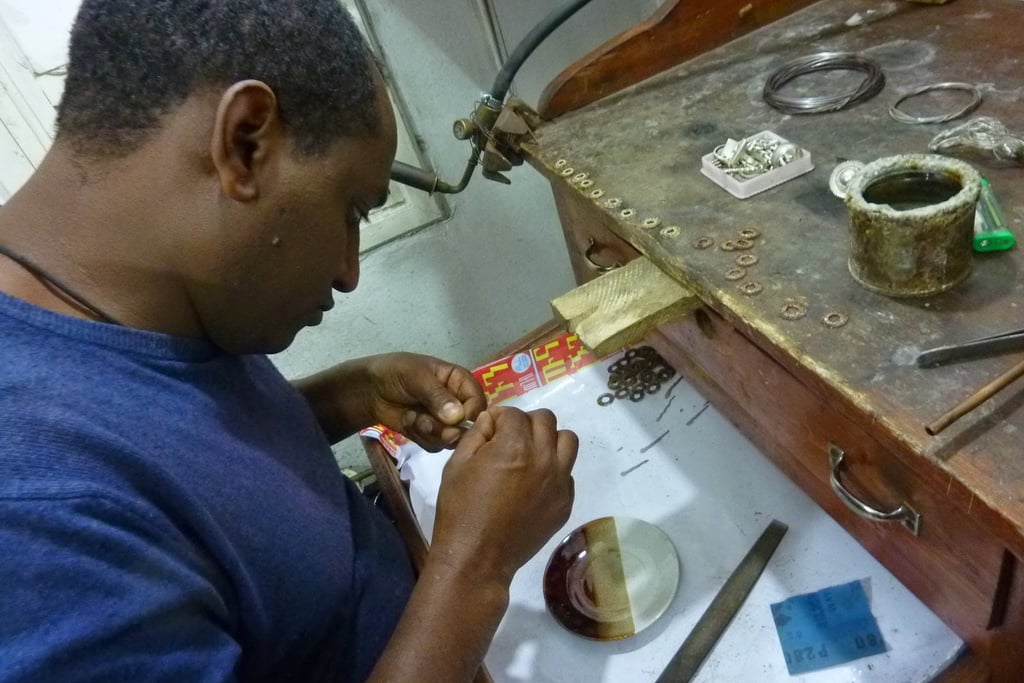
Traditional Ethiopian silversmiths relied on a combination of lost wax casting, filigree and repoussé to bring their designs to life. Lost wax casting was particularly important for crosses and pendants, as it allowed complex patterns to be carved in beeswax before being replaced by molten silver. The result was a piece that could never be duplicated exactly, giving every cross its own identity.
Filigree added its own visual delicacy. Artisans twisted fine silver wire into spirals, knots and lattices, then soldered these onto cast surfaces or used them to form entire pendants. The effect created a sense of movement within the metal, as if the patterns were unfolding across the piece. Repoussé offered a different aesthetic, imprinting designs on thin sheets of silver by hammering from the reverse side until the metal rose into crisp contours.
Having seen how the craft itself evolved, the next step is to look at the motifs that made Ethiopian silver so distinctive, especially within its Christian traditions.
Distinctive Forms of Ethiopian Christian Crosses
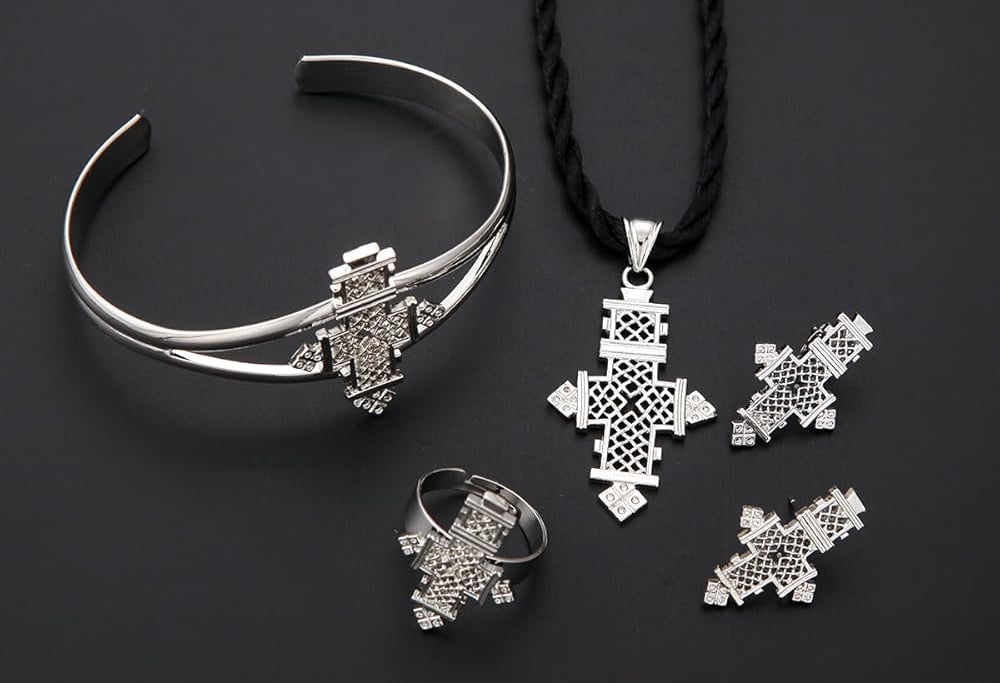
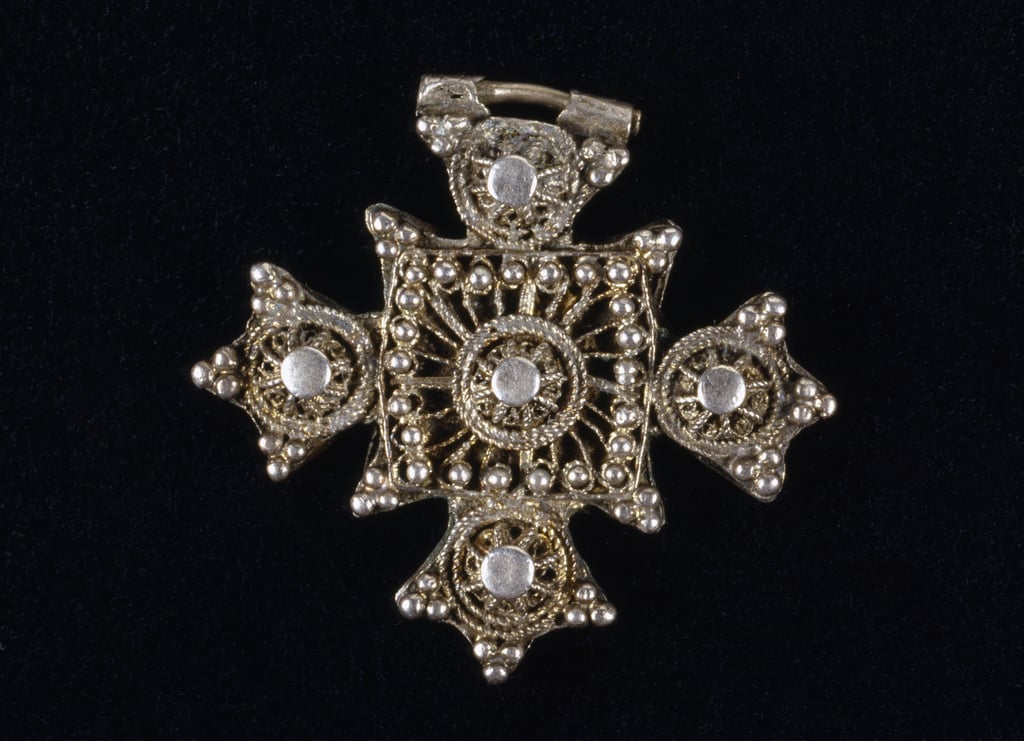
Ethiopian Christian silver crosses stand apart for their intricate openwork, symbolic depth and extraordinary variety. More than eighty documented cross styles exist across Ethiopia, each shaped by the beliefs, histories and artistic preferences of its region. You notice immediately that these crosses rarely resemble Western cruciform designs. Instead they feature interlaced lines, geometric lattices and circular forms that reflect both theological concepts and older pre-Christian symbolism.
Many crosses incorporate circles representing eternity and the Trinity, while openwork patterns allow light to pass through, symbolising divine revelation. Some scholars believe that certain geometric motifs preserve traces of pre-Christian solar imagery, absorbed into Orthodox symbolism over centuries. You also find crosses with long bases or handles, designed for priests to hold during blessings, a reminder these objects were not only jewellery but living tools of worship.
Next up: three regional styles that define Ethiopian silverwork.
Regional Styles Across Ethiopia
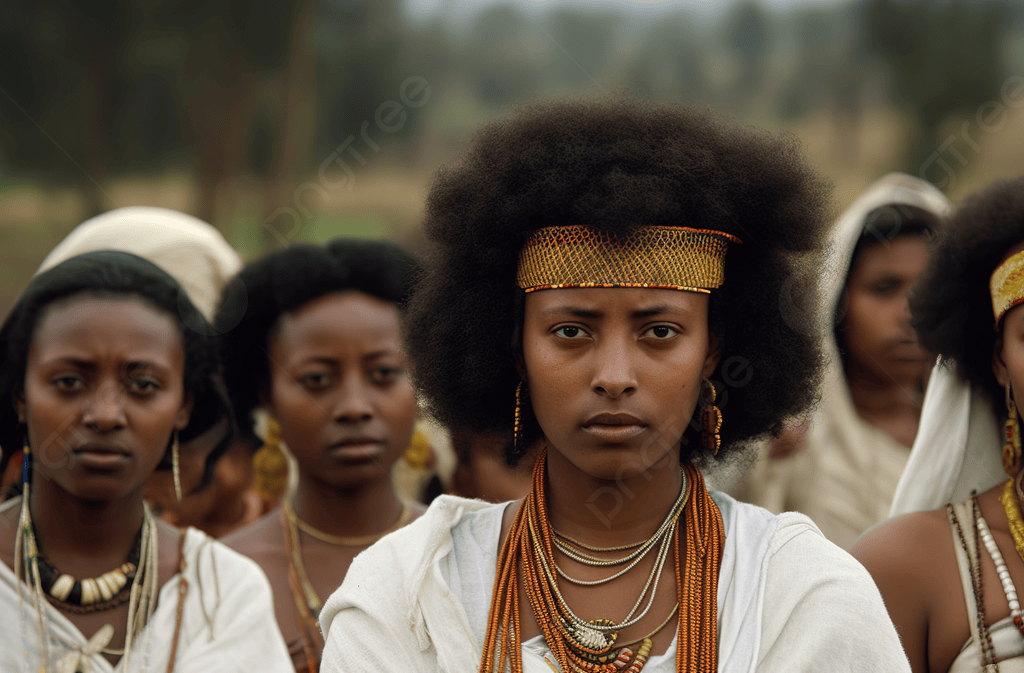
The Amhara highlands, Oromo and the southern tribal communities stand out for their distinctive silver traditions. Amhara silver jewellery blends courtly elegance with Orthodox devotion, producing elaborate earrings, forehead ornaments, necklaces and pendants. Women often wore large silver pieces for ceremonies, and the mateb cord, sometimes adorned with silver beads or small crosses, marked baptism and faith. These adornments signalled social status as much as personal devotion.
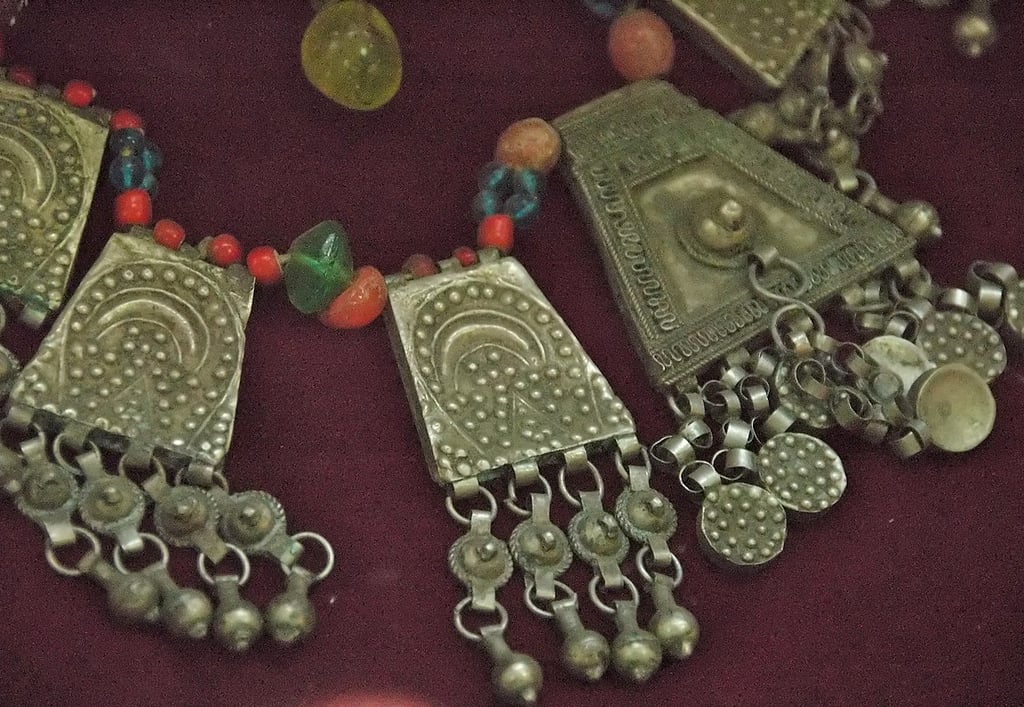
Oromo jewellery reflects a different worldview. Oromo silverwork includes heavy neck rings, anklets and arm bands, often decorated with geometric patterns or crescent shapes linked to the traditional Gadaa system and Waaqeffanna beliefs. Silver served as portable wealth within pastoralist communities, and its weight and quantity communicated a woman’s position within her family or clan. Even when Christianity or Islam influenced certain communities, the older forms persisted, blending religious symbols with longstanding cultural motifs.
Southern groups such as the Hamar, Karo, Banna, Konso and Sidama contributed their own identities to Ethiopia’s jewellery landscape. Silver was used alongside copper, brass, shells and beads to mark age, status and ceremonial roles. Konso silver pieces feature geometric precision that reflects their architectural heritage, while Sidama traditions weave silver beads into multi-strand necklaces supported by coral and imported glass. Each group created jewellery that functioned not only as adornment but as a visual language within its community.
These regional styles show how silver became a vessel for culture, identity and memory, bringing the story of Ethiopian jewellery forward into the present.


Continuity of Craft and Cultural Identity
Ethiopian silver jewellery continues to hold cultural meaning today, even as modern life changes when and how it is worn. Traditional crosses remain part of everyday devotion for Orthodox Christians, while ceremonies across different regions still feature jewellery passed down through generations. Museums and cultural institutions document these traditions to safeguard them for the future, ensuring that the artistry of past silversmiths remains visible in the present.
Artisans in modern workshops in Addis Ababa and regional towns still use lost wax techniques, though machine-made pieces and shifting tastes challenge the survival of older methods. Yet interest in Ethiopia’s heritage jewellery is growing, and people are recognising how these pieces carry stories of belief, beauty and identity. Wearing such pieces today connects communities to deep historical roots while allowing new forms to emerge.
This enduring connection between silver and cultural expression continues to shine across the country, and Wanderwell celebrates how these traditions illuminate Ethiopia’s artistic past and present. Make sure there’s room in your jewellery box for a fabulous piece of Ethiopian silver jewellery!
The Sleepy Traveller: Heritage Hotels in Addis Ababa.The Savvy Traveller: Ethiopia's Unique Calendar. The Curious Traveller: Lalibela Rock Hewn Churches in Ethiopia.
For the latest updates sign-up below!
