
Lalibela Rock Hewn Churches in Ethiopia
Read about the amazing Lalibela rock hewn churches in Ethiopia, their connection to medieval Jerusalem, their unique architectural features, how they were carved, the most remarkable places to visit and how the churches function today.
5 min read
Sacred Origins of Lalibela
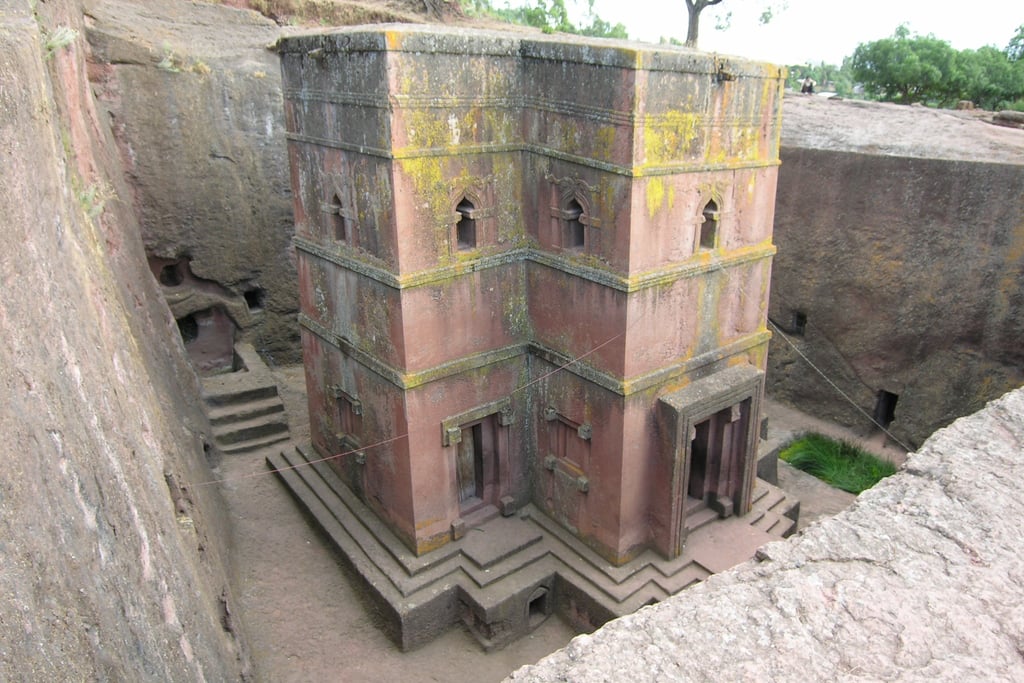
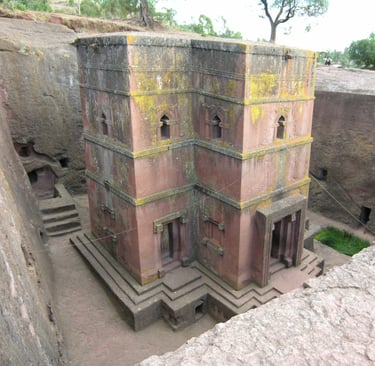
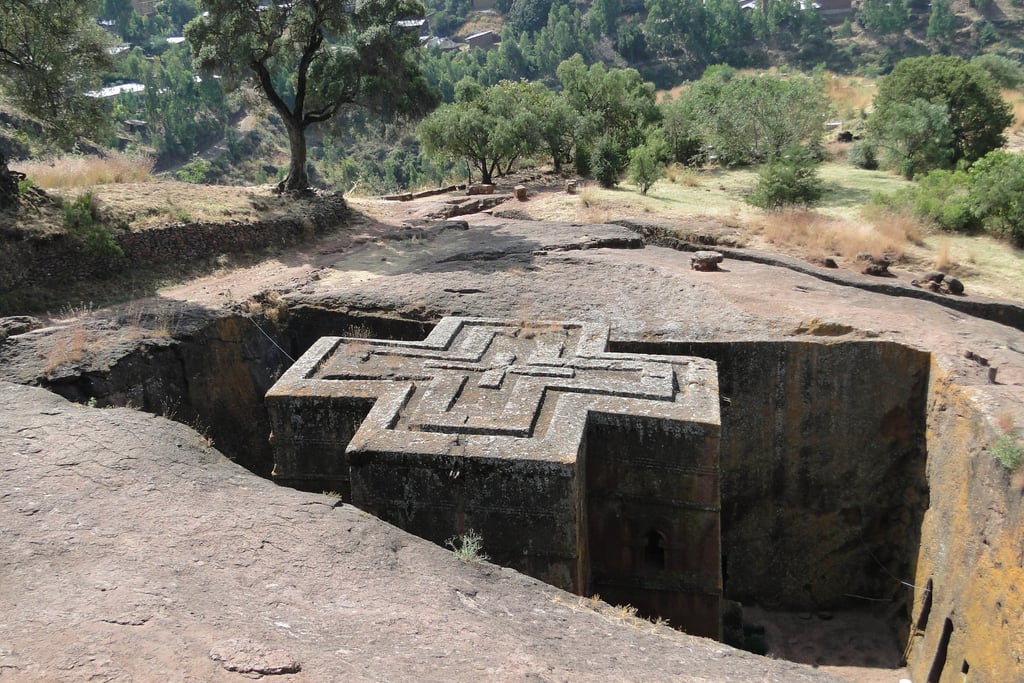
The Lalibela rock hewn churches in Ethiopia are disorienting and otherworldly. They appear to rise from the earth, but the opposite is true: they descend into the volcanic ground beneath your feet. Unlike most pre-modern structures, the Lalibela churches weren’t built by stacking stones, but by removing them. In an astonishing feat of engineering and craftsmanship, they were carved into the earth from top to bottom.
The atmosphere surrounding the churches feels ancient yet alive, shaped by centuries of worship and ritual. Wanderwell adores these churches for their depth of heritage and spirituality. Every courtyard, shadowed passage and chiselled surface reflects a place where faith has shaped both architecture and identity.
Let’s dig into the unique features of the Lalibela churches, why and how they were built, three not-to-be-missed sites, and how these medieval architectural wonders are still used today.
Need a Hotel in Lalibela?
Here Are Our Recommendations:
$$$ Halle Hotel Lalibela
- Click here for rates & availability
$$ FikirandRay Lodge
- Click here for rates & availability
$$ Lal Hotel & Spa
Architectural Wonders of Lalibela
Stepping into the network of rock cut trenches and sunken courtyards surrounding the Lalibela churches is stepping into architectural brilliance. The churches were not built, but revealed through the removal of stone. Each structure is carved downward from a single block of stone, giving the whole site a unity that feels both engineered and organic.
You move through narrow passageways that curve unexpectedly, opening into sanctuaries lit by carefully carved windows that draw light inward. Inside, arches, pillars and domes appear as if they were sculpted by the earth itself. The precision reveals a mastery of technique and planning far ahead of its time.
Rich symbolism is woven into the layout. The northern and southern clusters mirror biblical concepts, while the trenches and tunnels create a sense of journey that echoes spiritual pilgrimage. The entire complex unfolds like a story carved into stone, inviting you to follow its rhythm from one church to the next.
So, who built these sanctuaries and why were they so important?

King Lalibela’s Vision
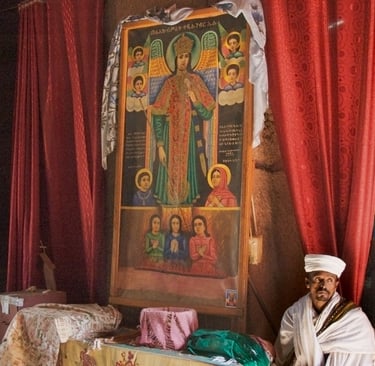
The Lalibela churches are traditionally linked to King Lalibela of the Zagwe dynasty in the late 12th and early 13th centuries. His ambition grew from a moment of global upheaval in Christian history. In 1187, Saladin recaptured Jerusalem, placing the holy city under Muslim control. Christian pilgrimage to Jerusalem became dangerous. Travel routes were disrupted, access was restricted and many believers could no longer reach the Holy Land.
In response, King Lalibela sought to create a spiritual centre at home, one that mirrored the holiest places while remaining firmly rooted in Ethiopian identity. Legend has it that workers toiled tirelessly on the churches during the day, and angels continued the carving at night. It was understood as a sacred undertaking, one that demanded extraordinary stamina, skill and faith.
How were these enormous structures carved with the tools of the time?
Crafting a City from Stone
The creation of the Lalibela churches began with detailed plans. Workers had to visualise each church in reverse, starting with the roof and cutting downward with unwavering precision. A single misjudged cut could ruin the entire structure.
The tools used were surprisingly simple given the complexity of the task. Hammers and chisels bit steadily through volcanic tuff, allowing workers to shape corridors, windows, pillars and altars. The softness of the stone made carving possible, while its durability ensured that the structures would last centuries. The volume of material removed for each courtyard was astonishing.
What emerges through this method is a world that feels sculpted rather than constructed. Tunnels twist beneath the surface, steps descend into caverns of prayer and drainage systems reveal careful planning.
With the churches showcasing a harmony of engineering, art and religious purpose, three sites within Lalibela leave the deepest impression on travellers.


Famous Sites Within Lalibela
Bete Giyorgis is the crown jewel of the complex, recognised instantly by its perfect cross shape carved deep into the ground. Approaching it from above gives you a view that feels almost unreal, with clean lines and sharp angles cut into glowing volcanic stone. Standing at its doorway, you feel a quiet stillness that seems to gather around the church like a cloak.
Bete Medhane Alem presents a dramatic contrast with its immense scale and towering pillars carved from the living rock. Inside, the church opens into a spacious interior that feels calm and balanced, its acoustics carrying soft echoes of prayer. Some believe it to be the largest monolithic church in the world.
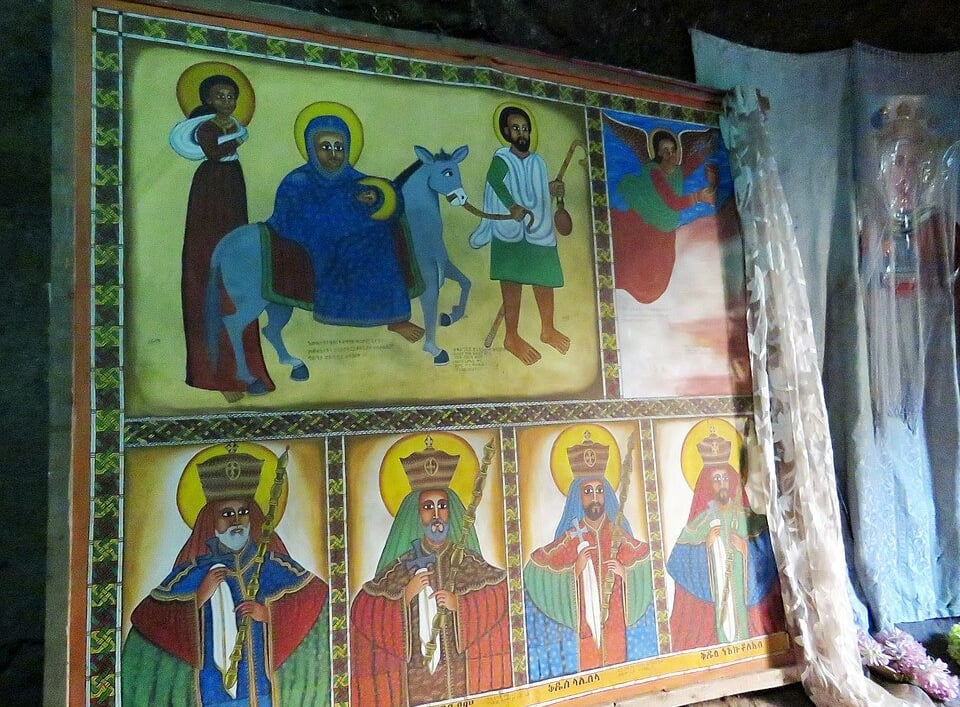
Bete Maryam offers a more intimate experience. Its decorative carvings, warm stone interiors and ancient frescoes invite you to linger a little longer. Many feel especially connected to the history of Lalibela here, because the details seem to speak directly to the devotional life of the community that shaped it.
How do the churches function today?
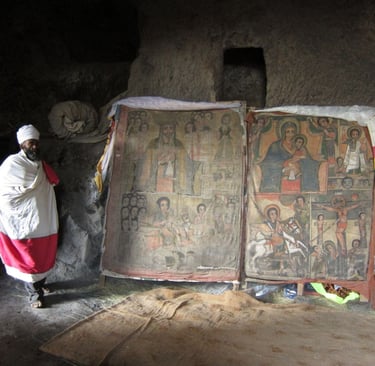
Living Traditions and Modern Life
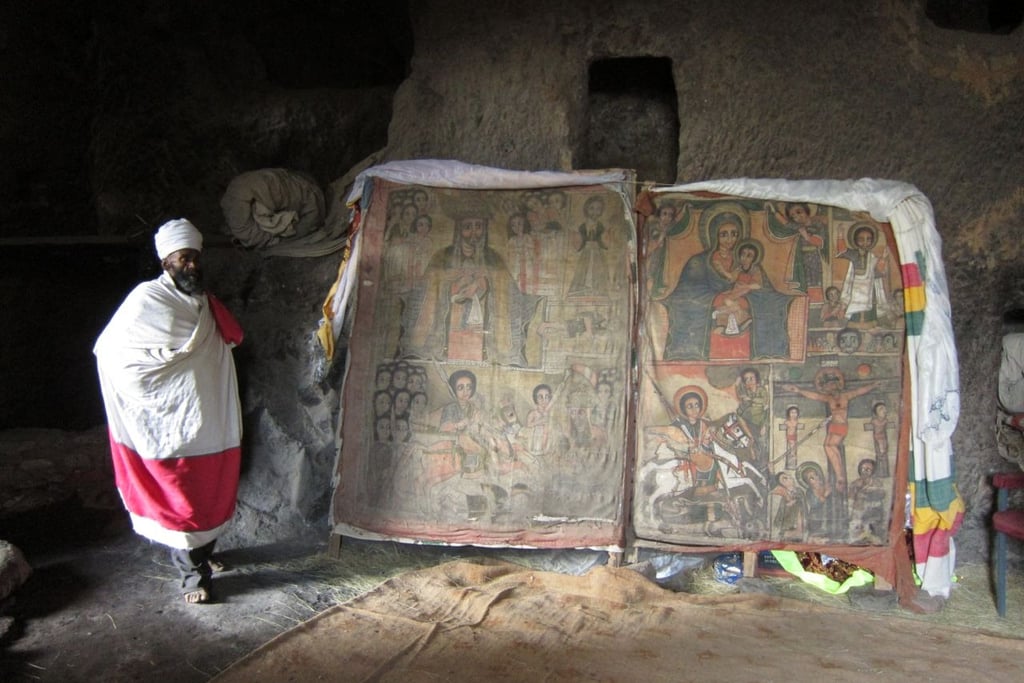
The Lalibela churches remain active centres of Ethiopian Orthodox worship. Dawn prayers drift across the courtyards. Priests move quietly through the same spaces their predecessors walked centuries ago, continuing traditions that have endured through generations. During major festivals such as Timkat, the complex becomes a vibrant sea of movement as pilgrims gather in thousands. The colours, chants and rituals fill the air with a sense of unity that binds community and faith.
At the same time, travellers arrive from across the world, drawn by the striking architecture and ancient devotion of the site. Preservation efforts work to protect the churches while supporting the people who live and worship within them.
Enduring Meaning
The Lalibela rock hewn churches in Ethiopia leave you with a sense of closeness to centuries of devotion, craftsmanship and human aspiration. Their presence encourages quiet reflection, inviting you to pause and feel connected to a world shaped with extraordinary intention. Book your trip to Ethiopia now so you can see these extraordinary churches up close!
Want to read more? The Sleepy Traveller: Heritage Hotels in Addis Ababa.The Savvy Traveller: Ethiopia's Unique Calendar. The Curious Traveller: Ethiopian Silver Jewellery Through Time.
For the latest updates sign-up below!
Other Articles
